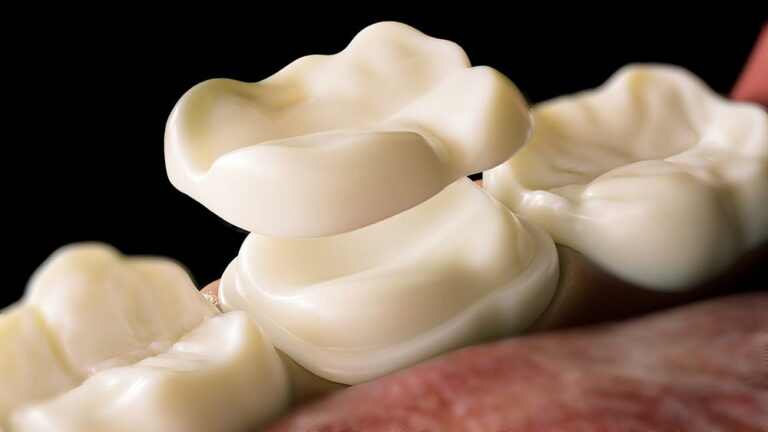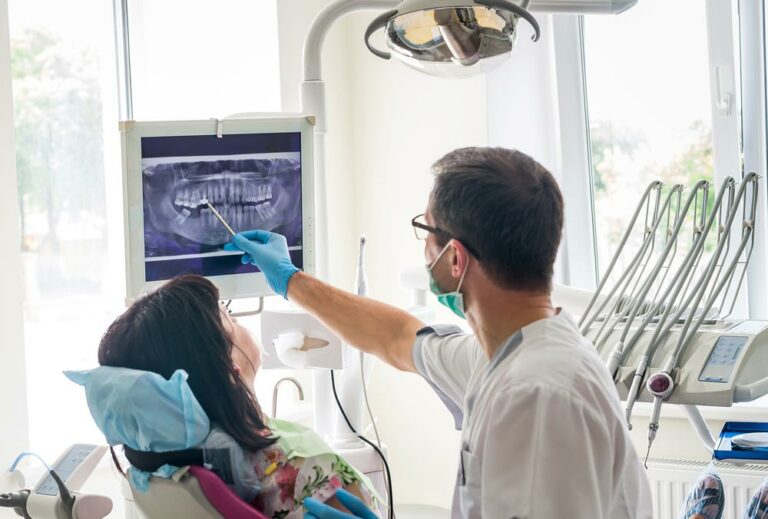

Our skilled dentist provides a comfortable and effective experience. Whether you’re experiencing tooth pain, infection, or severe damage, a root canal can often rescue your natural tooth, preserving your smile’s integrity.
What is a Root Canal?
A root canal is a dental procedure aimed at treating infections or damage to the tooth’s pulp, where the nerves and blood vessels are located. It is often necessary when a tooth becomes severely decayed or infected. Common signs that indicate you need a root canal include persistent toothache, sensitivity to hot or cold, swollen gums, or a pimple on the gums. However, only a professional examination can accurately diagnose the need for a root canal.
With modern techniques and anesthesia, the root canal procedure is typically no more uncomfortable than getting a dental filling. Patients often experience relief from the pain caused by the infection.
Following the procedure, you may experience mild discomfort, which can be managed with over-the-counter pain medication. It’s essential to follow post-operative care instructions provided by your dentist.

Common questions about root canals:
The duration varies depending on the tooth’s complexity and the extent of the infection. On average, a root canal can take one to two hours. Your dentist will provide a more accurate estimate during the consultation.
In some cases, alternatives like tooth extraction may be considered. However, preserving the natural tooth through a root canal is usually the preferred option to maintain oral health and function.
In most cases, you should be able to drive yourself home after a root canal, as the procedure typically involves local anesthesia. However, if you receive sedation, it’s advisable to arrange for someone to drive you.
Recovery time varies, but most people can resume normal activities the next day. It’s crucial to attend any follow-up appointments and adhere to post-operative care guidelines for optimal healing.
In most cases, a tooth that has undergone a root canal will require a crown to restore its strength and appearance. Your dentist will discuss the options for restoring the tooth’s aesthetics during the treatment plan.
Practicing good oral hygiene, including regular brushing, flossing, and dental check-ups, is key to preventing tooth decay and infections that may lead to the need for a root canal. Early detection and treatment of dental issues are crucial for maintaining oral health.